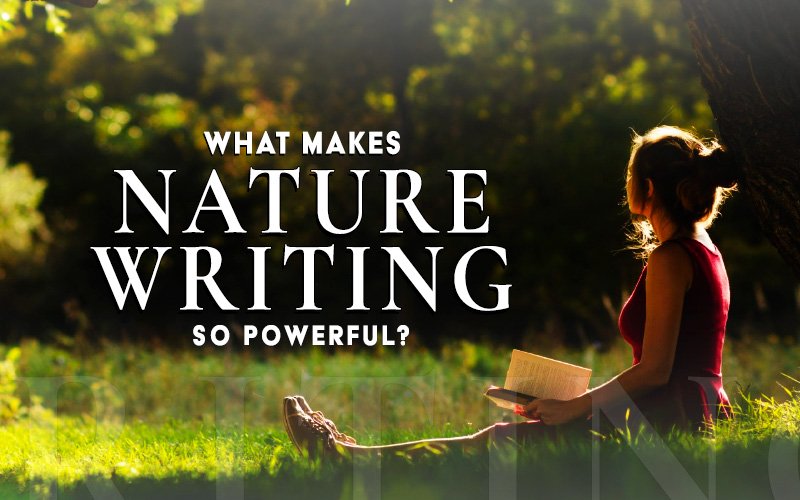
Nature writing is powerful because it turns close observation of the natural world into stories that create emotion, reflection, and connection. Instead of simply describing landscapes or wildlife, it helps readers experience a place through the writer’s attention, perspective, and personal response.
According to the National Center for Writing, Nature writing works because it slows you down, plain and simple. A bird lands on a fence post, or fog rolls off a lake right at dawn- nothing special on paper, and somehow the right writer turns it into something you actually feel while reading. Good writing isn’t just describing a place. It puts you inside it, has you breathing the same air as the writer, catching whatever they happened to catch that day.
Most people assume this genre is just a pretty description strung together. It’s not, not really. The best pieces work because the writer paid attention first, then found words after. You can’t really fake that order. Skip the attention part and the writing feels hollow, even when the sentences themselves are fine on paper.
Why Close Observation Matters More Than Vocabulary
Read enough of this genre, and you’ll notice something. The strongest writers aren’t reaching for fancy words. They’re reaching for accuracy instead. A hawk doesn’t just “fly.” It tilts, drops, corrects itself mid-air, sometimes all in the span of a second. That kind of precision comes from actually watching, not from flipping through a thesaurus.
Close observation is really the foundation of this kind of writing. You sit still. You watch a landscape for longer than feels comfortable at first. Eventually, details show up that you’d have missed on a quick walk-through. Writers who skip this step tend to lean on clichés instead, and readers usually catch it, whether they can name why or not.
Nature Storytelling Versus Straight Description
There’s a real difference between describing nature and telling a story about it. Worth knowing which one you’re actually doing.
- Plain description lists what’s there. A field. Some trees. Weather.
- Nature storytelling adds a thread. Something changes. Something gets noticed. Something shifts in the observer.
- One’s a snapshot. The other has movement to it, even when nothing “happens” in a traditional plot sense.
- The second version is usually the one people remember and share.
If you’re writing about nature and want it to stick, aim for storytelling over inventory. Give the moment a shape. Not just a list of features.
What Environmental Storytelling Adds to the Genre
Environmental storytelling brings in something pure description often skips. Consequence. It’s not enough to say a forest is beautiful. The stronger pieces ask what’s happening to that forest. Who depends on it. What’s changing year over year.
This is where conservation themes can emerge naturally, without feeling forced. A writer notices fewer insects than they remember from childhood, or a river running lower than it used to, and that small observation becomes the emotional core of the piece. No need to preach, really. Just notice honestly and let the reader draw their own conclusion from there.
A Few Nature Writing Techniques Worth Borrowing
You don’t need formal training to write well about the outdoors. A handful of techniques do most of the heavy lifting:
- Use specific, sensory detail instead of general adjectives. “Cold” works, sure, but “cold enough to fog your glasses” does more.
- Write in present tense sometimes. It pulls readers into the moment instead of keeping them at a distance.
- Let silence exist on the page. Not every sentence needs to explain itself.
- Include yourself, briefly. Pure objectivity can make personal writing feel flat on the page. A short personal reaction grounds the whole thing.
- Read your work out loud. It lives on rhythm, and your ear catches what your eye tends to miss.
None of this requires rare talent, honestly. Just patience, and a willingness to sit with a scene longer than usual before writing a single word.
Wildlife Storytelling and the Personal Reflection Layer
Wildlife storytelling works a bit differently than landscape writing. You’re dealing with something that moves, reacts, sometimes looks right back at you. Changes the emotional stakes almost immediately.
The best wildlife pieces pair the animal’s behavior with a small personal reflection from the writer. Watching a fox cross a frozen field means more once you know what the writer was actually thinking about at that exact moment. That combination, wild landscape plus a human’s inner response, tends to be what separates memorable nature writing examples from the forgettable ones.
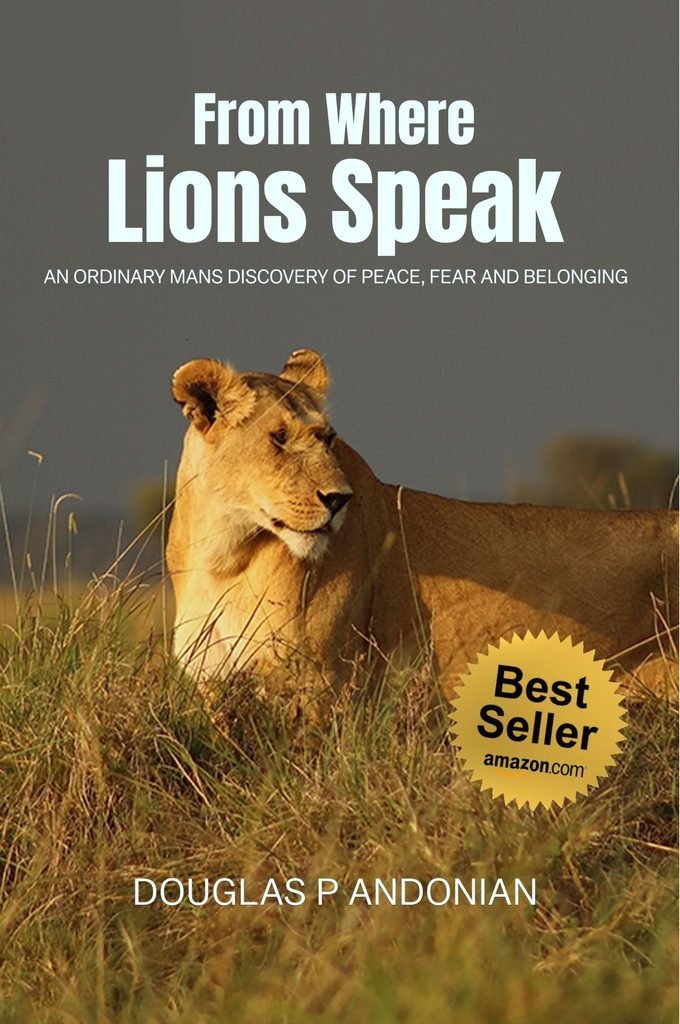
Douglas P. Andonian explores this kind of layered storytelling in From Where Lions Speak, where wildlife observation sits alongside personal reflection. The combination shows how encounters with the natural world can become more than descriptions of animals or landscapes—they can also reveal something about the person experiencing them.
If wildlife-focused stories are more your thing, How Wildlife Encounters Change the Way We See the World covers similar territory and reads well alongside this one.
How to Turn Outdoor Experiences Into Actual Stories
You’ve probably had outdoor experiences worth writing about already, even if you never got around to writing them down. The gap between “I saw something interesting outside,” and an actual piece of writing usually comes down to structure. Not talent.
Start with the single strongest image from the experience, not the whole timeline. Build outward from there. Ask yourself what changed in you during that moment, even slightly. For many writers, that kind of reflection can become a meaningful path toward self discovery. That question alone tends to produce better nature story ideas than trying to force some bigger theme onto the page too early. That kind of reflection can also reveal how outdoor experiences contribute to personal transformation.
Final Thoughts
This kind of writing earns its power the same way most good writing does, really. You pay attention. You’re honest about what you actually felt. You slow down instead of rushing past the moment. That’s most of it, once you strip away the theory. You don’t need dramatic landscapes or some rare wildlife sighting to write something worth reading either. Just look properly, notice one true thing, and take the time to put it into words a reader can actually picture.
FAQs
Honestly? Travel writing’s about where to go, what to book, that kind of thing. This skips most of that. You’re not planning a trip here; you’re just trying to put into words what a moment outside actually did to you.
Not really. Basic accuracy helps, sure, but the strongest pieces come from careful observation and honest reflection rather than technical expertise. You can research the specific facts later. The noticing has to come first, always.
No fixed length, honestly. A short piece built around one strong image can land just as hard as a long essay does. Length isn’t really the thing that matters. Whether it captures a real moment clearly is what counts, not the word count you ended up with.