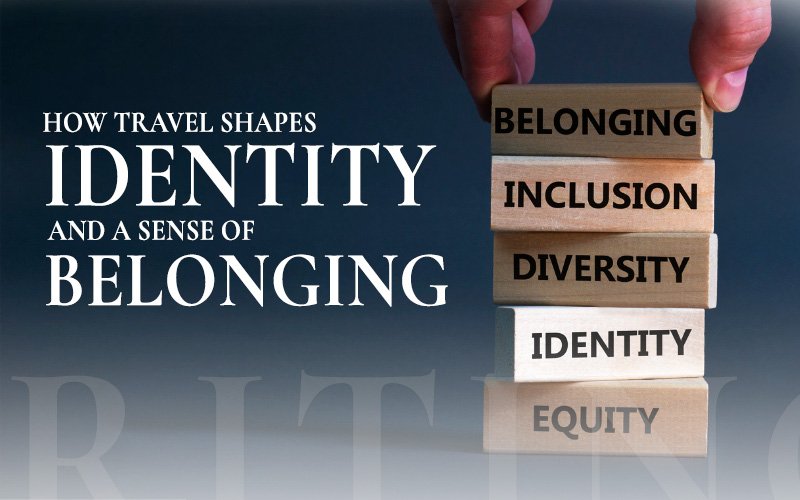
Identity and belonging aren’t fixed. Not really. Not the way most people assume. They shift, in small ways, every single time you’re dropped somewhere that doesn’t run on your usual rules. Travel does this faster than almost anything else can. You show up as one version of yourself, and somehow, without ever planning it, leave as “someone” a little different.
This isn’t just an abstract idea. Spend a week somewhere unfamiliar. Actually talk to people there instead of just photographing them. You start seeing your own habits from the outside, and honestly, that outside view is where the real shift happens. More than any sightseeing ever manages.
Why Travel Shapes Personal Identity More Than You’d Expect
Most of what makes up your sense of self gets built at home, quietly, without you ever noticing it happen. Your routines. The way you greet people. The jokes you make without thinking twice. Normal, right up until you’re somewhere it isn’t.
Once you’re dropped into that unfamiliar setting, you start testing parts of yourself you never had to think about before. Do you introduce yourself the same way? Still crack the same jokes when nobody in the room gets the reference? Small questions, sure. Don’t feel small at the moment, though. The link between travel and personal identity isn’t new exactly, but it’s easy to underestimate until you’re actually living it. Researchers who study cultural identity point out that
this part of who you are was never fully fixed to begin with, not really. It shifts with context. Travel just makes that shift obvious. Fast, usually.
Finding Belonging Through Travel, Even Somewhere Unfamiliar
Belonging usually gets tied to home. Family. The people who’ve known you for years and years. Strange, then, how often people describe feeling a real, if temporary, sense of belonging somewhere they’ve genuinely never been before in their life.
That tends to happen through small moments of shared human connection, not grand gestures at all. A shared meal. A joke that somehow translates anyway. Someone going a little out of their way just to point you toward a bus stop. Travel creates human connections you just don’t get sitting at home, no matter how good your social life already is. None of it fixes anything long-term, not really. But it shows you belonging isn’t only tied to geography. It’s tied to being seen, even briefly, by people who owe you absolutely nothing.
Cultural Experiences That Tend to Shift Self-Perception
Certain travel experiences push you out of your comfort zone far more than others. Meaningful cultural experiences tend to do more of this work than a packed sightseeing schedule ever will:
Staying with a local family instead of a hotel, even just for a couple of nights
Attending a community event you weren’t invited to as a “tourist experience”
Learning a handful of local phrases, badly, and using them anyway regardless
Eating meals the way locals actually eat them, not the tourist version of it
Getting lost without a translation app and having to ask a stranger for help
Each one forces a small adjustment, whether you notice it right away or not. You go from spectator to, briefly, participant. Cultural experiences shape identity in ways a checklist trip never quite manages, and that shift changes self-perception more than any landmark on the itinerary ever will.
Comparing Types of Travel and Their Effect on Identity
Not every travel style pushes you toward this kind of shift equally. Not even close, really.
| Travel Type | Depth of Connection | Effect on Self-Perception and Belonging |
| Tourist-heavy sightseeing | Low | Minimal, mostly observational |
| Homestays with local families | High | Strong shift in self-perception and belonging |
| Volunteering with local communities | High | Builds real human connection and shared purpose |
| Independent slow travel | Moderate to high | Encourages reflection and personal identity questions |
If travel and personal growth are genuinely what you’re after here, homestays and volunteering tend to do the most work. Mostly because they put you in direct contact with actual people. Not just places on a map.
Connecting With Local Communities Changes How You See Yourself
Something happens once you’re not just passing through a community but actually spending real time inside it. You stop seeing people as background scenery for your trip. Start seeing them as, well, people. Sounds obvious written down like this. Easy to skip when you’re moving from one photo opportunity straight to the next.
This kind of cultural exchange runs both directions, too, not just one. You bring something of your own background into these interactions, and it gets reflected back at you a little differently than it would back home. That reflection, oddly enough, is usually where you learn the most about your own identity. Through someone else’s eyes for once. Not your own.
Turning These Experiences Into Something You Keep
Some travelers write these shifts down as a full travel memoir rather than leaving them as scattered notes on a phone. Putting these moments into words often reveals patterns you never noticed while living through them.
Author Douglas P. Andonian explores this theme in his book, From Where Lions Speak, showing how journeys through unfamiliar places quietly reshape our identity.

If you want to explore this further, reading our guide on How Transformative Travel Can Change Your Perspective offers a broader view on how travel reshapes your mindset.
Final Thoughts
You don’t need to travel across the globe to experience this shift. Even a short trip when focused on connecting with people rather than just seeing the sights can reshape how you view yourself.
Stepping outside your usual routine creates distance from familiar habits, showing that your identity and sense of belonging aren’t as rigid as they seem. Sometimes, all it takes is a temporary change of scenery to notice the difference.
FAQs
Yeah, even a short one can. Duration matters a lot less than depth does here. A few days of genuinely engaging with local people and customs can shift self-perception more than a much longer trip spent mostly sightseeing from a distance.
Being away from familiar expectations tends to remove a lot of the social pressure to act a certain way. Without that pressure hanging around, people notice parts of their personality that usually stay hidden at home. It feels like discovering something more authentic, honestly. Weirdly enough, that’s often the case.
Travel exposes you to different customs, values, and ways of connecting with people you’ve never met. That tends to reveal assumptions you didn’t even know you were carrying around. Throw in a few small moments of genuine connection, and both how you see yourself and where you feel you belong start shifting, sometimes without you noticing right away.