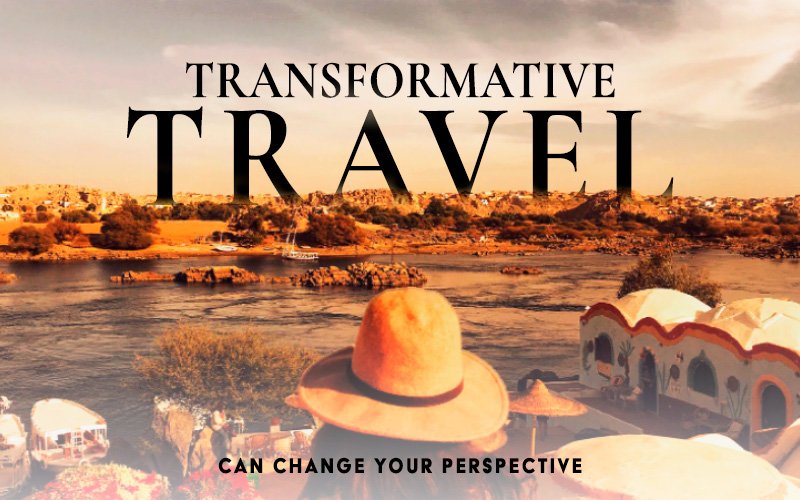
Transformative travel can change your perspective by taking you beyond familiar routines and exposing you to new cultures, challenges, and ways of seeing the world. Instead of simply giving you a break from everyday life, these experiences can encourage self-reflection, personal growth, and a deeper understanding of what actually matters to you.
Most trips fade into a folder of photos within a few months. Forgotten pretty fast, if we’re being real. This kind of thing doesn’t work that way. Something stays lodged in you. A conversation,maybe. A landscape. A moment you weren’t ready for. It keeps surfacing at odd times, long after the trip itself wrapped up.
Why Some Trips Change You, and Others Just Pass the Time
Not every vacation does this. A resort stay can be relaxing without touching anything underneath, and that’s fine too; honestly, nothing wrong with that. What actually shifts your perspective usually involves some friction. A bit of discomfort. Choosing to travel outside your comfort zone can make that discomfort feel surprisingly worthwhile. Maybe a moment where nothing goes according to plan at all.
People who study personal development often discuss the value of deliberately stepping outside your comfort zone. Travel happens to be a pretty natural way to do that without forcing it artificially. That’s one reason people choose to travel for personal growth, not just relaxation. You’re not seeking discomfort for its own sake, not really. You’re simply somewhere things don’t work the way they do at home, and your mind has to adapt.
The Role of Cultural Immersion in Personal Growth
This is usually where the real shift happens. More than the scenery ever does, if we’re honest. Eating with a family whose customs you don’t fully get. Trying to navigate a city where you can’t read a single sign. That kind of thing forces a humility that’s hard to come by anywhere else, really.
You start noticing your own assumptions once they stop being invisible. Something you assumed was just “normal” turns out to be one option among a dozen others out there. That realization, oddly enough, sticks with people longer than any photo ever will.
Cultural immersion also creates opportunities for genuine human connection. When you listen to local stories, share a meal, or experience everyday life from another perspective, travel becomes less about observing a destination and more about understanding the people who live there.
Types of Trips That Tend to Push Personal Growth
Not every travel style offers the same depth of change. Some formats simply push you further than others do.
| Travel Style | Level of Discomfort | What It Often Teaches You |
| Guided group tours | Low | Logistics handled for you, less room for surprises |
| Solo travel | High | Self-reliance, comfort with uncertainty |
| Volunteering abroad | Moderate to high | Purpose, humility, direct human connection |
| Slow, immersive travel | Moderate | Patience, deeper cultural awareness |
If personal growth is genuinely the goal, solo travel and slow, immersive trips can offer more opportunities for reflection. Mostly because they leave you less room to hide behind a schedule and less room to simply coast from one planned activity to the next.
The point isn’t that one type of travel is automatically better than another. It’s how actively you engage with the experience. A carefully planned trip can still become transformative when you remain open to uncertainty, unfamiliar people, and unexpected lessons.
New Perspectives, Old Habits: What Actually Sticks
Coming home is where most of the supposed transformation quietly starts fading. You land. Unpack. Slide back into your usual routine, and within two weeks that new perspective you swore you’d hold onto has already started slipping.
A few things help it stick around longer, and none of it’s complicated:
- Write down specific moments right after they happen. Not weeks later once details blur.
- Talk through the trip with someone who wasn’t there. Saying it out loud forces clarity somehow.
- Make one small, concrete change at home. Not a total overhaul of your whole life.
- Go back to your notes or photos a month later. Not just during the week you get back.
Honestly, none of this takes much effort. Just a willingness to treat the experience like something worth carrying forward, instead of letting it sit there as a nice memory and nothing more.
Turning the Experience Into Something Lasting
Some people take it further and write the whole experience down as a proper travel memoir, rather than leaving scattered notes on a phone somewhere. Writing gives you a chance to slow down, revisit important moments, and understand what the journey actually meant after the excitement has passed.
There is also a long tradition of recording journeys through exploration, observation, and personal travel accounts. That tradition continues today because writing can turn an experience into something you can return to, rather than something that simply disappears into memory.
Douglas P. Andonian explores this kind of inward journey in From Where Lions Speak. His experiences show how unfamiliar landscapes, wildlife encounters, and moments of uncertainty can become opportunities for reflection and personal change.

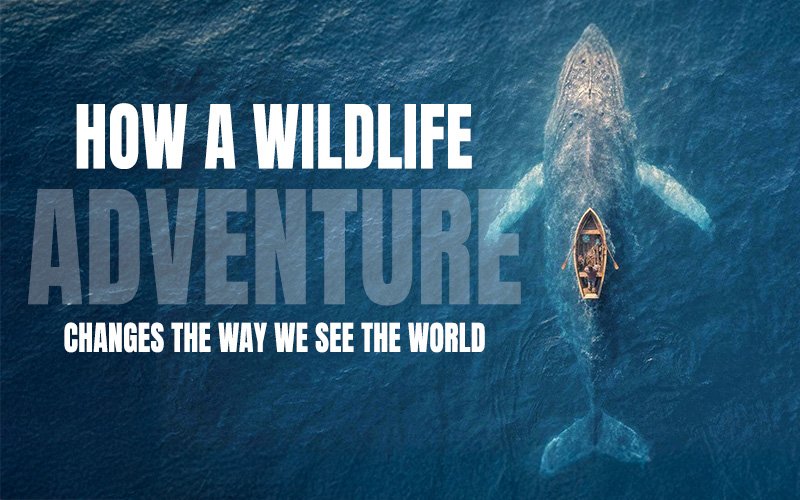
If this way of thinking about travel interests you, How a Wildlife Adventure Changes the Way We See the World explores a related idea from the wildlife perspective. It looks at how encounters with the natural world can influence the way we understand ourselves and the world around us.
Final Thoughts
You don’t need a life-altering crisis or a six-month backpacking trip for any of this. Sometimes a single week somewhere unfamiliar, approached with a bit of intention, is enough to loosen something that’s been stuck for a while.
What matters more than the destination, honestly, is whether you actually let the place in. Sometimes, travel inspires personal change simply by showing you another way of seeing everyday life. Instead of rushing through the experience, you start paying attention to what it reveals about your habits, priorities, and assumptions.
For some travelers, that process becomes a meaningful form of self discovery. A journey may begin with the desire to see somewhere new, but it can end with a clearer understanding of who you are and what you want from life.
FAQs
Discomfort and genuine engagement with a new place can make the difference. When you move beyond familiar routines, experience different ways of living, and remain open to uncertainty, a trip can leave you with new perspectives instead of simply becoming another vacation memory.
Not really. A short trip somewhere unfamiliar, approached with openness and curiosity, can shift your perspective just as much as a long journey. Distance and duration matter less than how willing you are to engage with the experience.
Write things down soon after they happen. Talk about the trip with someone. Make one small change at home instead of a dozen big ones. Then return to your notes or memories later. Reflection helps turn a temporary experience into something that can influence everyday life.