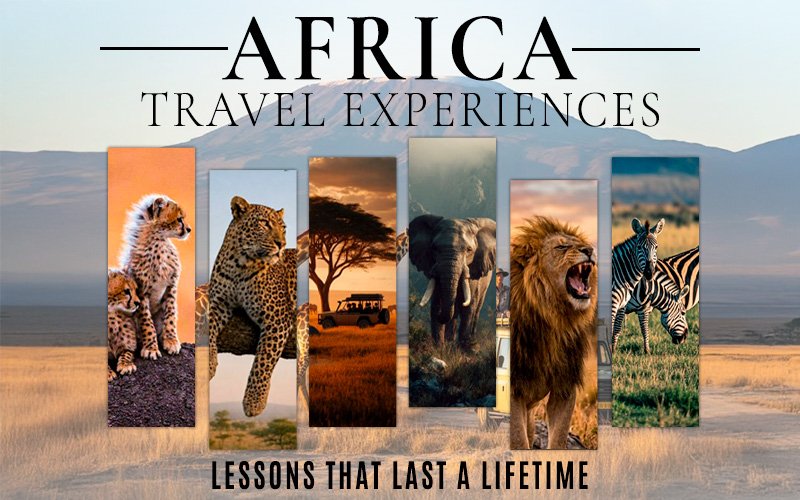
Africa travel experiences are powerful because they combine wildlife, nature, culture, and meaningful human connections. Unlike conventional vacations, they often encourage travelers to slow down, observe their surroundings, and experience unfamiliar ways of life. These moments can create lasting memories while offering valuable lessons about patience, perspective, conservation, and belonging.
What actually makes Africa travel experiences different from a normal vacation? Honestly, it’s not the animals. Not really the checklist part anyway. It’s slower. More humbling. You come home with fewer souvenirs and, somehow, way more perspective than you left with. Nobody warns you about that part before you go.
Most people book expecting good photos. What they get is closer to a reset button. You watch a herd cross open grassland right at dawn, then a few hours later you’re sitting with a local family over a meal nobody planned for you to join. Somewhere in there, the version of you still checking work emails a week ago just… fades. You won’t even notice when it happens.
What Makes African Safari Experiences Feel So Different
An African safari experience isn’t built for entertainment. Not really. Built around patience, mostly. Waiting, too. Three hours watching a leopard move maybe ten feet, and instead of getting restless, you feel more present than you have in months. Odd how that works.
That’s the real difference here. Most travel keeps you occupied on purpose — this kind strips things back, asks you to just pay attention. Nobody’s staging the wildlife for your benefit. You’re a guest in a place that was running long before you showed up, and it keeps going once you leave, whether you noticed it or not.
Wildlife Encounters That Rewire How You Think About Nature
Almost everyone who’s been describes the same kind of moment. Locking eyes with an elephant. Lion cubs tumbling around while their mother keeps half an eye on you from twenty feet off. None of it’s dramatic, really. Quiet, mostly. That quiet is the part that sticks with you later.
These African wildlife experiences do something else too, something more useful. They make conservation feel personal instead of some abstract cause somewhere else. Watch a rhino graze in real wilderness once and a headline about poaching hits different after that. You’re not thinking of “wildlife” as a category anymore. You’re thinking about that one animal. That one spot.
Cultural Immersion: The Part Nobody Warns You About
Here’s what catches a lot of first-timers off guard — the people often leave a bigger mark than the animals do, which sounds backwards until it happens to you. An afternoon with a Maasai community, learning how they read the land, sitting in on a market conversation you weren’t even planning to join. None of that comes through in a documentary the same way. Can’t really fake it.
You start noticing how differently time moves once you’re outside a Western calendar. Decisions happen slower. Relationships carry more weight than schedules ever do. It’s not that one way beats the other, exactly. It’s that watching another way exist at all quietly loosens a few assumptions you didn’t know you were carrying around.
Comparing Common Types of Africa Travel Adventures
Trips in this category don’t all look the same. The format you pick matters more going in than most people expect it to.
| Trip Type | Pace | Best For | What You’ll Remember Most |
| Lodge-based safari | Relaxed, structured | First-time visitors, families | Comfort combined with close wildlife access |
| Mobile tented camping | Slower, more remote | Travelers wanting deeper immersion | Silence, stars, and remote wilderness |
| Conservation-focused travel | Hands-on, educational | People wanting purpose over luxury | Direct contact with local communities and conservation work |
| Cultural-village stays | Community-centered | Those seeking authentic connection | Conversations, not just sightings |
Each format gives you meaningful Africa travel, just shaped differently depending on what you’re after. Some want comfort with a view attached. Others want to feel properly far from home for once, no wifi, no schedule. No pick here is really wrong. It comes down to what kind of memory you’re chasing.
Conservation Travel and Why It’s More Than a Trend
Conservation travel stopped being just a marketing line a while back, at least with the operators doing it right. Plenty of camps now fund anti-poaching units, hire local guides, put part of what visitors pay straight into nearby community projects. Pick one of those operators and your trip stops being purely extractive.
This is roughly where authentic Africa experiences pull away from generic tourism. You’re not just observing anymore. In some small way, you’re helping keep the place intact, for whoever shows up after you, and for the people who already call it home the rest of the year, long after you’ve flown back.
Lessons These Journeys Actually Teach You
Most vacations leave you tired. This kind tends to leave you changed, even when you can’t fully explain how afterward. A few things keep showing up in traveler stories, more often than you’d think.
Patience isn’t wasted time, for one. Watching and waiting turns out to be its own reward, oddly. Standing near something as large as an elephant has a way of resetting your ego pretty fast too. Community ends up mattering more than convenience — the people you meet often outlast whatever you remember about the landscape itself. Slow travel just reveals more.The slower pace often reveals more meaningful details . Rushing through a reserve shows you far less than sitting still in one spot ever could.
For many travelers, these experiences become a meaningful path toward self discovery.
Douglas P. Andonian explores this connection in From Where Lions Speak, where wilderness becomes more than scenery—it becomes a teacher. His experiences show how time in the wild can challenge assumptions, deepen awareness, and change the way we understand ourselves and the world around us.
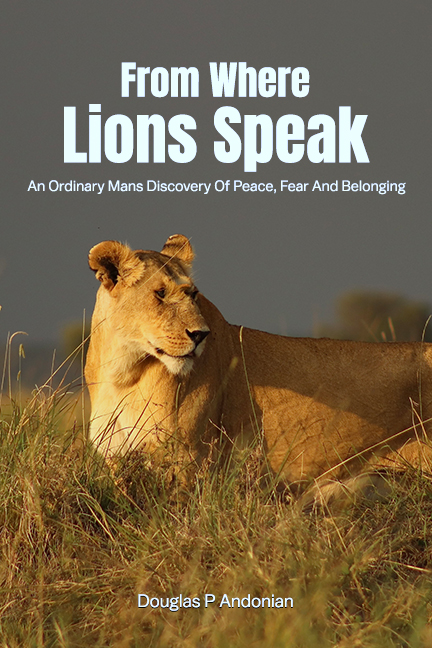
If this kind of story interests you, How a Wildlife Adventure Changes the Way We See the World is worth a look too. Similar ground. Slightly different angle. Pairs well with what’s here, if you’re in the mood for more.
Final Thoughts
You don’t need a dramatic reason to plan something like this. Curiosity covers it, honestly. What you’ll probably find is that the trip hands back more than it promised. Not just travel memories — a steadier, quieter way of looking at your own life once you’re back home, doing the same old routine.
Frequently Asked Questions
Early mornings. A fair bit of waiting, if we’re being honest, then moments of real awe scattered somewhere in between. Less scripted than most trips you’ve taken before. Sightings aren’t guaranteed — that’s part of why people remember it years later, not despite it.
Go with operators who actually involve local communities and back conservation work, not the ones who just say they do. Talk to guides and residents instead of only photographing wildlife all day. Those conversations tend to outlast the sightings in your memory, by a lot usually.
Mostly, yeah. Fewer places, slower pace, deeper encounters, calmer rhythm overall. Beats rushing between stops and missing the quieter bits that end up mattering most, looking back on it.